Español
  Polski
  Greek
Greek  Italiano
  Turkish
  简体中文
简体中文  English

KOREA · PRODUCTION UPGRADE PROJECT
SAUBER · FLEXIBLE POD MANUFACTURING
A Flexible Pod Manufacturing Platform Built to Keep Evolving
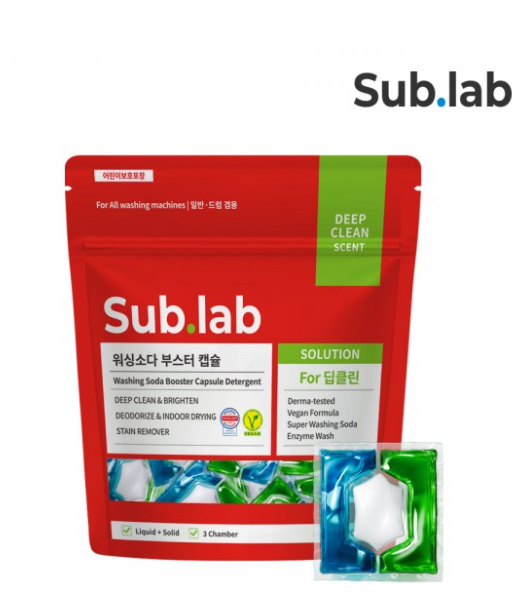
Sauber replaced its previous rotary forming equipment with a flat-bed platform for powder–liquid pod production. The upgrade first addressed production stability, yield and operating efficiency—then became the base for new products manufactured on the same machine through mold, formula and process changes.
Project Type
Core Application
Platform Strategy
Long-Term Value
THE STARTING POINT
The Existing Line Could Make Pods—but It Restricted the Next Stage of Growth
Sauber already had operating knowledge, product-development capability and a route to market. The practical task was to remove manufacturing constraints around a more demanding powder–liquid product.
Complex Filling
Yield Pressure
Operating Efficiency
Product Lock-In
THE EQUIPMENT DECISION
Replace a Product-Limited Machine with an Upgradeable Manufacturing Platform
The key decision was not simply to buy a faster machine. It was to select a forming architecture that could coordinate complex powder–liquid production now and preserve interfaces for later products.
Previous: Rotary Forming Equipment
- Efficient for mature, fixed and high-volume formats
- Smaller effective working zone for complex operations
- Greater difficulty integrating additional dosing steps
- More restrictive path for molds and later station changes
Upgraded: Flat-Bed Forming Equipment
- Flat working area for synchronized forming, dosing and sealing
- Servo-controlled movement and adjustable process sequence
- Better integration of powder and liquid dosing stations
- Mold change and reserved interfaces for future structures
FOUR VALUE-CREATING NODES
The Upgrade Was Delivered as a Production System—not an Isolated Machine
Each node produced a practical decision or manufacturing capability. This keeps the project commercially concrete and separates equipment delivery from protected formulation and supply-chain know-how.
Diagnose the Constraint
Separate machine limitations from formula, film, environment, mold and operating issues.
Stabilize the Core Product
Coordinate flat-bed forming, powder–liquid dosing, sealing conditions and critical materials.
Convert Capability into Output
Set the operating window, inspection logic, change controls and trial sequence.
Expand Through New Tooling
Use new molds, formula architecture and validated parameters to introduce later products.
THE INTEGRATED TECHNICAL PACKAGE
Equipment Created the Interface; Product and Material Engineering Made It Useful
The project connected the forming platform with product tooling, formula and process methods, and critical material qualification.
Flat-Bed Forming and Dosing
Mold and Pod Architecture
Formula and Process Window
PVA/PVOH Film and Supply Support
ONE PLATFORM, AN EXPANDING PRODUCT MATRIX
Product Change Became a Managed Engineering Project Instead of Another Main-Machine Purchase
The flat-bed platform retained the expensive core asset while molds, dosing arrangements, formulas and validated parameters changed around each product requirement.
Mold & Geometry
Change shape, cavity size, chamber distribution and product weight while retaining the forming and sealing platform.
Material Dosing
Configure liquid, powder, powder–liquid, fragrance beads and multi-material sequences.
Formula System
Develop cleaning systems, fragrances, enzymes, builders and performance tiers for the target market.
Process Parameters
Validate forming, dose, sealing, speed and environmental windows for repeatable changeovers.
PROJECT OUTCOME
The First Return Was Better Production; the Strategic Return Was Future Optionality
The project improved the current manufacturing route and created an asset that could accumulate value through later molds, formulas, material qualifications and process files.
Improved Production Stability
Higher Platform Utilisation
Compounding Development Value
WHY THE PROJECT COULD KEEP EXPANDING
Flexible Equipment Works Best When the Customer Can Convert Flexibility into Products
Sauber’s internal capability and Unimasses’ pod-specific contribution formed complementary parts of the project. The equipment alone would not explain the result.
Sauber’s Operating Foundation
- In-house R&D and formulation capability
- Scientific performance, stability and dissolution testing
- Quality assurance and process management
- Pilot-to-mass-production scale-up capability
- Commercial and OEM/ODM product development
Unimasses’ Project Contribution
- Flat-bed pod production equipment solution
- Powder–liquid application and commissioning support
- Mold and product-structure development route
- Formula and process technical support
- PVA/PVOH film and critical-material solutions
- Interfaces for subsequent product upgrades
Liquid Pods
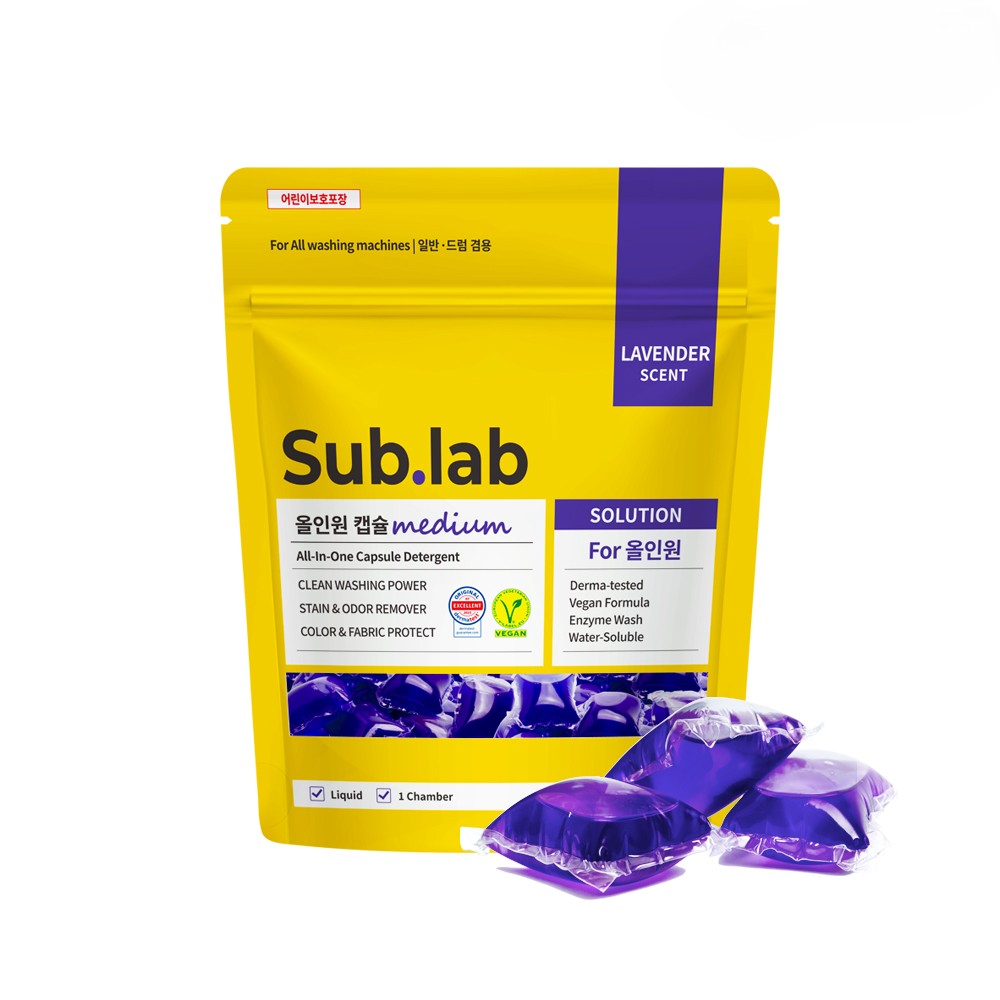
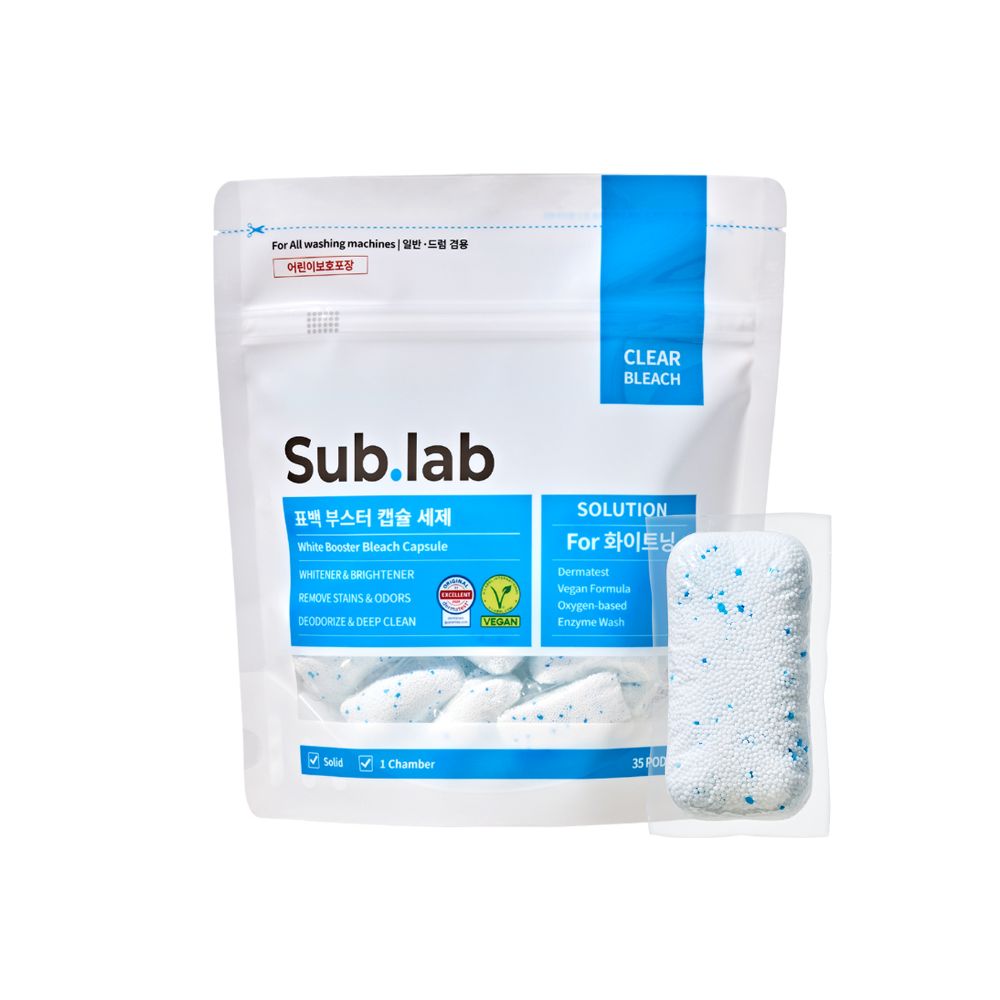
Powder+Liquid Pods
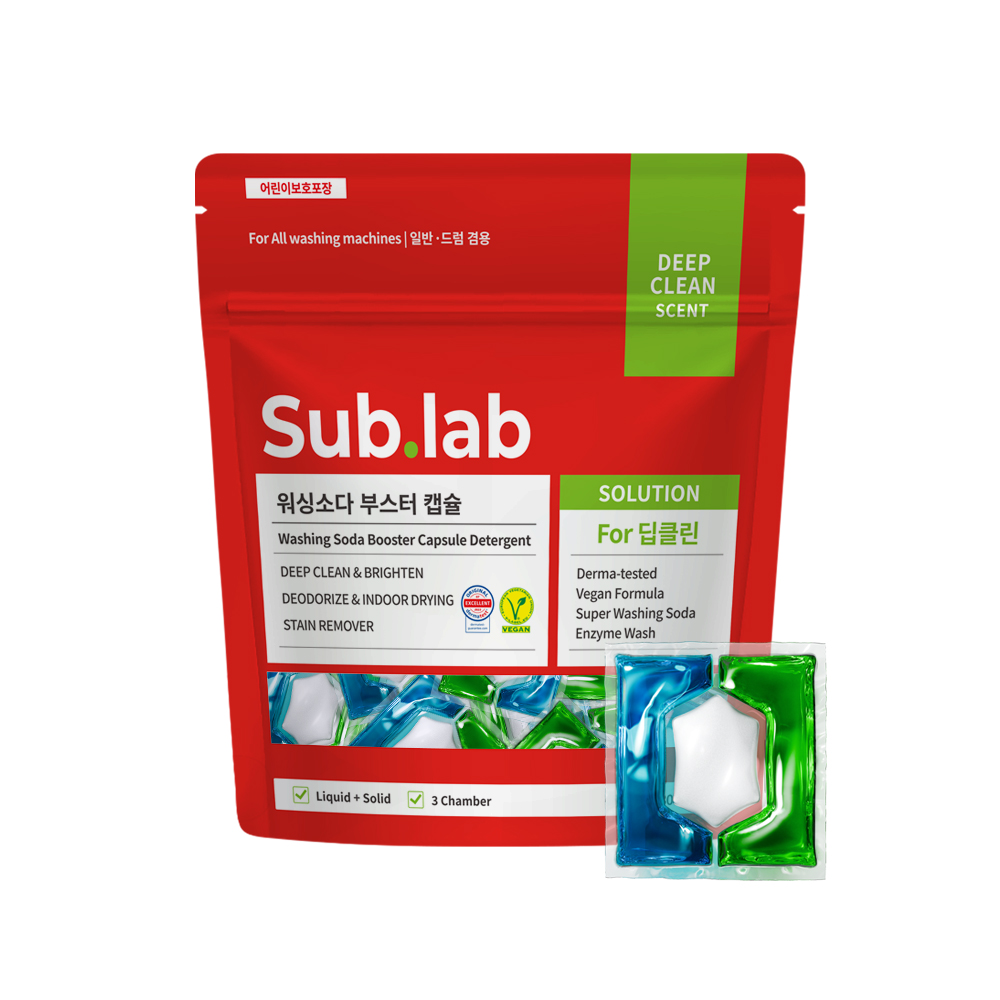
Powder Pods
APPLICABLE UPGRADE SCENARIOS
This Route Is Relevant When Today’s Machine Is Limiting Tomorrow’s Product
The case is most relevant to established manufacturers with an operating team and market position, but whose current forming platform restricts complex products or later expansion.
Rotary-to-Flat-Bed Replacement
Yield and Efficiency Recovery
Product Matrix Expansion
START WITH THE CURRENT CONSTRAINT
Upgrade the Manufacturing Platform Around the Products You Need Next
A useful assessment begins with the existing machine, current defects, target product structures, available team, materials and expansion plan. From there, Unimasses can define whether the best route is process correction, equipment modification or platform replacement.